
800G Networking: What It Means for Data Center Design
Data center network speeds have advanced steadily over the years, from 10 gigabits per second to 40, 100 and 400. The arrival of 800-gigabit Ethernet marks another significant step. Driven largely by the demands of artificial intelligence, 800G is moving from early adoption into broader deployment. Its implications extend beyond raw speed to the physical design of data centers.
What Is Driving 800G
AI training clusters require enormous bandwidth between accelerators. Each new generation of accelerators can process data faster, and the network must keep pace. Large cloud providers and organizations building AI infrastructure are the primary early adopters. General data center traffic is also growing, driven by data-intensive applications, storage and the consolidation of workloads.
Fewer Switches, Flatter Networks
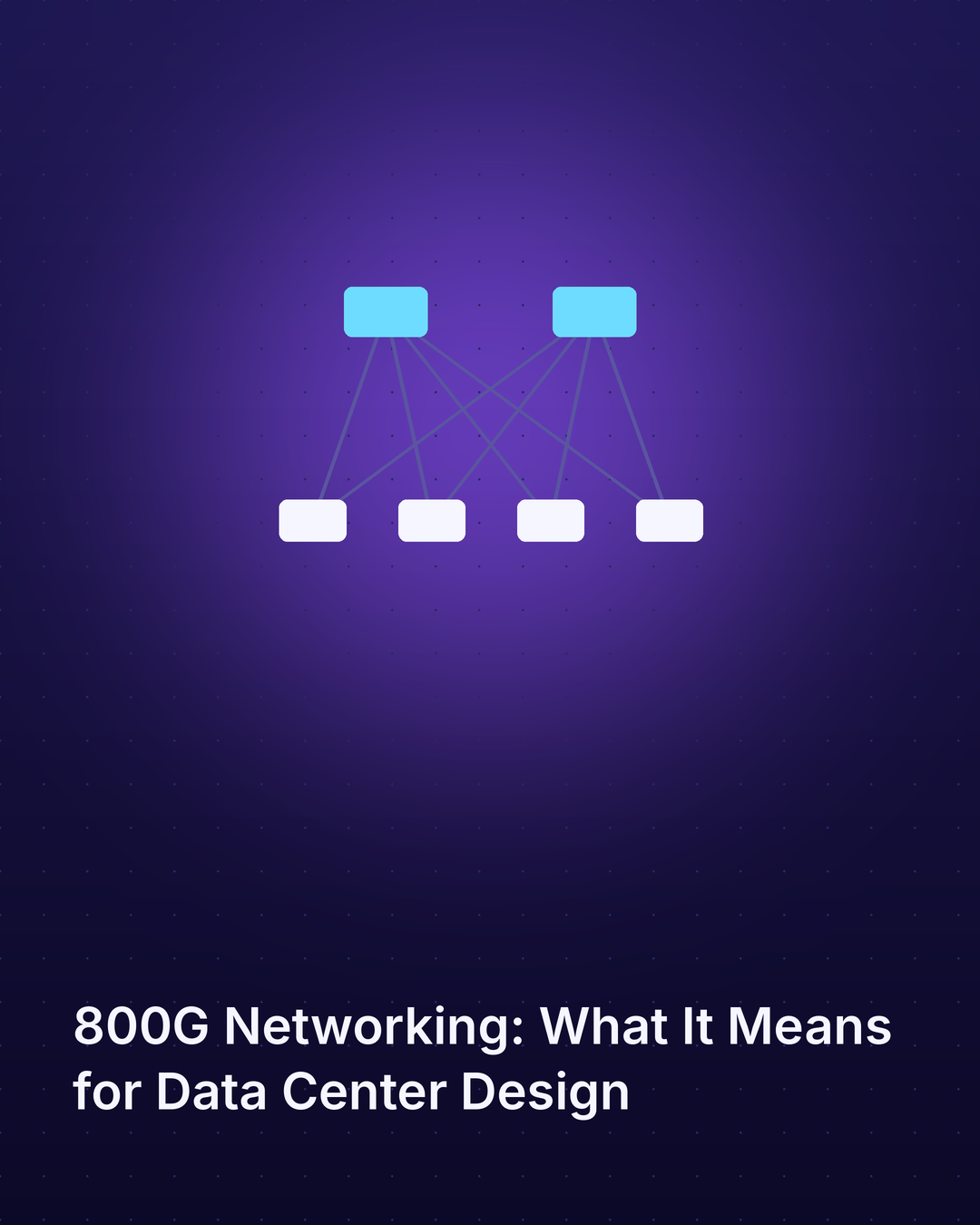
Higher port speeds allow each switch to carry more traffic. This can reduce the number of switches and network tiers required, simplifying architecture. Flatter networks reduce latency and the number of potential failure points.
Optics and Cabling
800G connections rely on advanced optical transceivers. Choices among different optical technologies affect reach, power consumption and cost. Cabling infrastructure must support the required connectors and fiber types. Planning cabling for future speeds avoids costly rework.
Power and Cooling
High-speed switches and optics consume considerable power and generate heat. Data center designers must account for these demands. Emerging technologies, such as co-packaged optics that place optical components closer to switch chips, promise to reduce power consumption in future generations.
Breakout Flexibility
800G ports can often be divided into multiple lower-speed connections, such as two 400G or eight 100G links. This flexibility allows gradual migration and accommodates mixed equipment.
When to Adopt
Organizations building AI clusters or high-density data centers are natural early adopters. Others may find 400G sufficient for current needs, adopting 800G at the next refresh. Planning infrastructure to support future speeds is prudent regardless.
Operational Readiness
Higher speeds bring new considerations for monitoring and troubleshooting. Teams should ensure their tools can handle the volume of telemetry generated.
Phasing the Upgrade
Few organizations will replace their entire network at once. A practical approach introduces 800G in the spine layer or within new AI clusters first, using breakout connections to link with existing equipment. Leaf switches and server connections can then be upgraded as they reach refresh. This phased path spreads investment over time while ensuring that the highest-traffic parts of the network receive capacity where it matters most. Careful inventory of existing optics and cabling before the upgrade also prevents surprises and helps identify components that can be reused. Coordinating these steps with server and storage refresh cycles further reduces disruption.
The Bottom Line
800G networking responds to the bandwidth demands of AI and data-intensive workloads. It enables flatter, simpler networks but requires attention to optics, cabling, power and cooling. Breakout options support gradual migration. Organizations should plan infrastructure with future speeds in mind, even if immediate adoption is not required. The decisions made in data center design today will determine how easily networks can grow tomorrow.