
Data Center Fabric Automation: Spine-Leaf Without the Manual Work
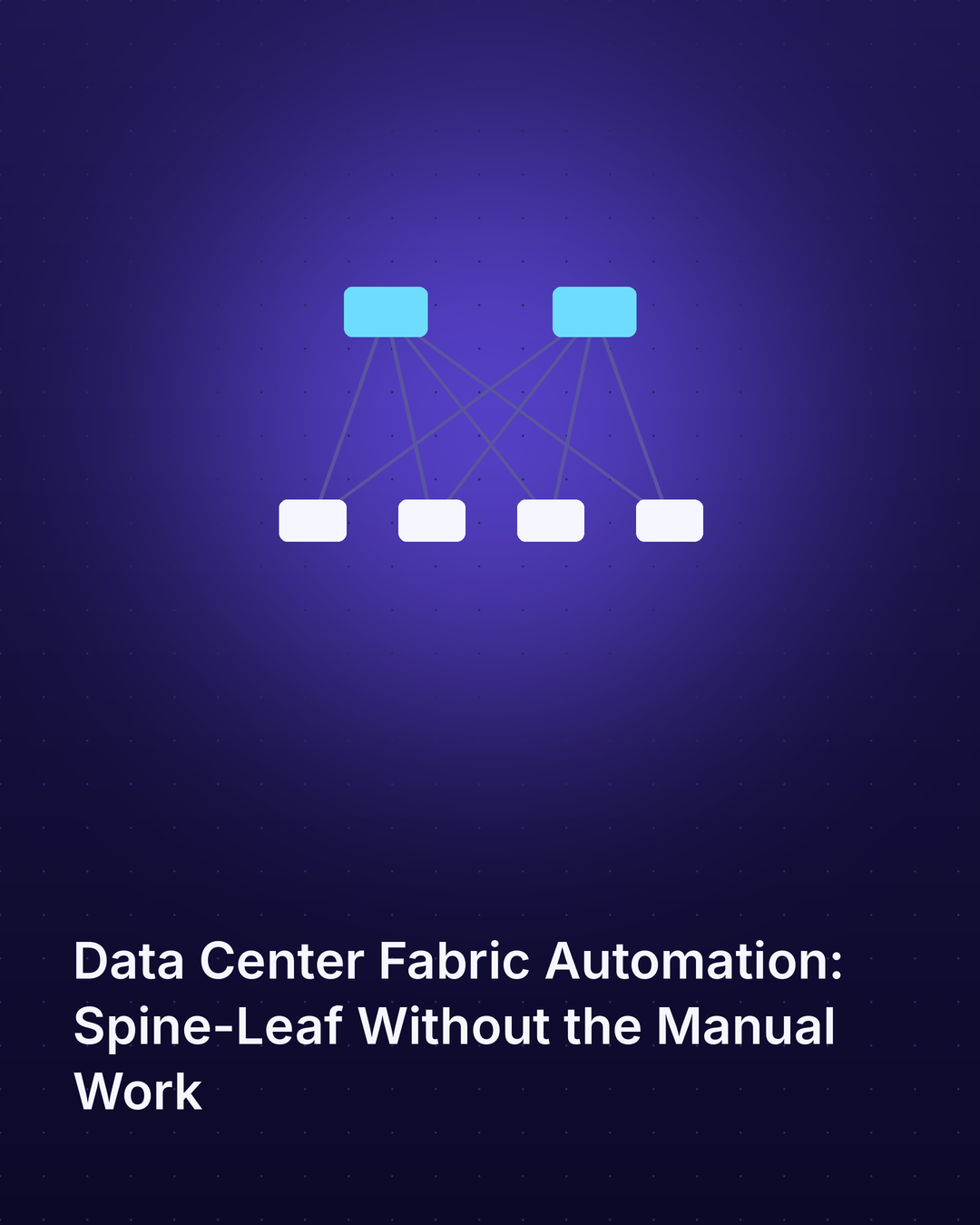
Modern data centers commonly use spine-leaf network architectures. In this design, every leaf switch, which connects servers, links to every spine switch, which interconnects the leaves. The result is predictable performance, with any server reachable from any other in a consistent number of hops, and the ability to scale by adding switches. Spine-leaf fabrics are elegant in concept. Configuring them manually, however, is laborious and error-prone, particularly as fabrics grow to hundreds of switches.
The Manual Configuration Problem
Each switch in a fabric requires configuration for routing protocols, addressing, virtual networks, security policies and more. Configurations must be consistent across devices. A single error can cause traffic to be misrouted or create outages that are difficult to diagnose. Adding new racks, changing policies or upgrading software multiplies this effort.
What Fabric Automation Provides
Fabric automation platforms allow administrators to design the fabric at a high level, specifying the number of switches, connectivity and services required. The platform generates detailed configurations for every device and deploys them automatically. Templates ensure consistency, and changes can be applied across the fabric with confidence.
Validation and Assurance
Leading platforms continuously validate that the fabric operates as designed. They detect configuration drift, cabling errors and failures, and alert administrators. Some can simulate changes before applying them, predicting their impact.
Multi-Vendor Flexibility
Some automation platforms support switches from multiple vendors, allowing organizations to avoid lock-in and manage mixed environments consistently.
Day-Two Operations
Automation is not only for initial deployment. Ongoing tasks, such as adding racks, adjusting policies and performing upgrades, benefit equally. Automated upgrades can roll through the fabric with minimal disruption.
Skills and Process
Fabric automation changes how network teams work. Engineers spend less time on repetitive configuration and more on design and optimization. Version control for fabric designs brings software engineering discipline to network operations.
Getting Started
New fabric deployments are a natural starting point, avoiding the complexity of retrofitting automation onto existing manual configurations. Organizations should also store fabric designs and changes in version control, providing a clear history and the ability to roll back if needed.
The Bottom Line
Spine-leaf fabrics offer predictable performance and scalability, but manual configuration undermines their benefits. Fabric automation generates consistent configurations, deploys them reliably and validates continuously. Day-two operations become simpler and safer. Multi-vendor support adds flexibility. Organizations building or expanding data center networks should consider automation essential rather than optional.